This month in Set in Stone®, we explore the pressures shaping that transition, from the scramble for high-quality recyclate to the rise of ocean-bound sourcing and smarter packaging formats. Welcome to a marketplace where performance, carbon, and sustainability are no longer trade-offs, they’re requirements.
Okeanos® Business Newsletter – November 2025
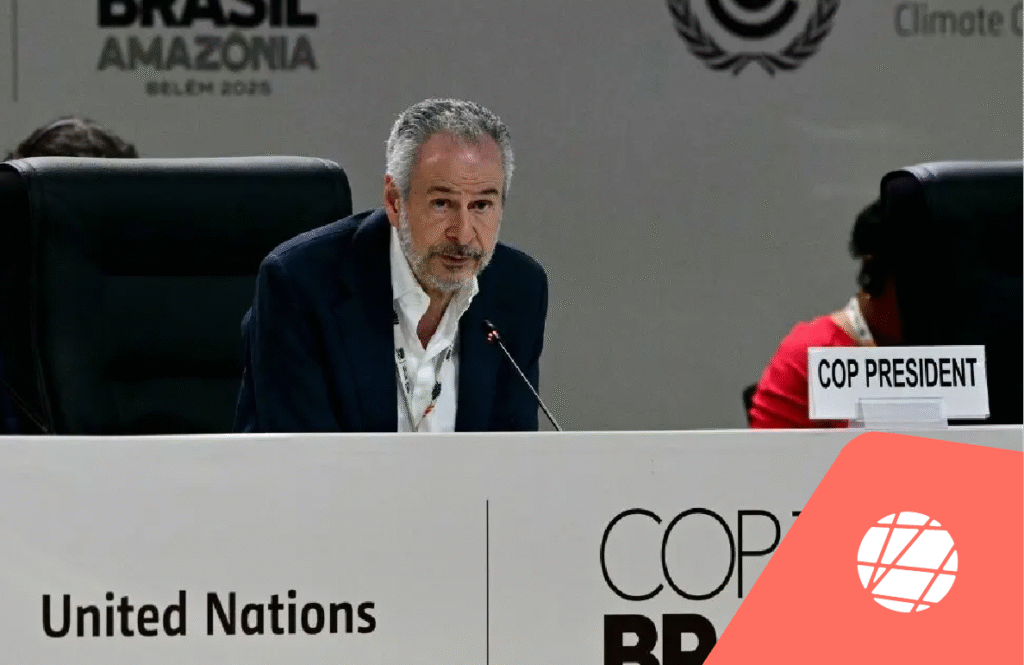
What COP30 Didn’t Do
For all the anticipation, COP30 ended with little more than extensions and empty promises on plastics. Negotiators failed to agree on reduction targets, timelines, or enforceable rules, leaving the global plastics treaty stalled once again.
But while the international process slows, regional momentum is accelerating. The EU is finalizing PPWR, Latin America is rolling out EPR frameworks and virgin-resin taxes, and U.S. states continue to pass bans, PCR mandates, and design-for-reduction rules. Across APAC, policies aimed at limiting virgin plastic and incentivizing lower-carbon materials are gaining traction.
In short: global inaction is driving local action.
The next wave of plastics legislation will be more targeted and more practical. Expect three big trends to shape the decade ahead: upstream reduction requirements, carbon-based material decisions, and increasingly strict rules against formats that recycling systems simply cannot process.
For brands, that means pressure is shifting from ambition to execution, and materials that reduce plastic and CO₂ at the source will be essential for compliance. COP30 may have missed its moment, but the momentum isn’t gone.
For more from the floor of COP30, tune into our conversation with UN Photographer Kiara Worth on Mastering Sustainability
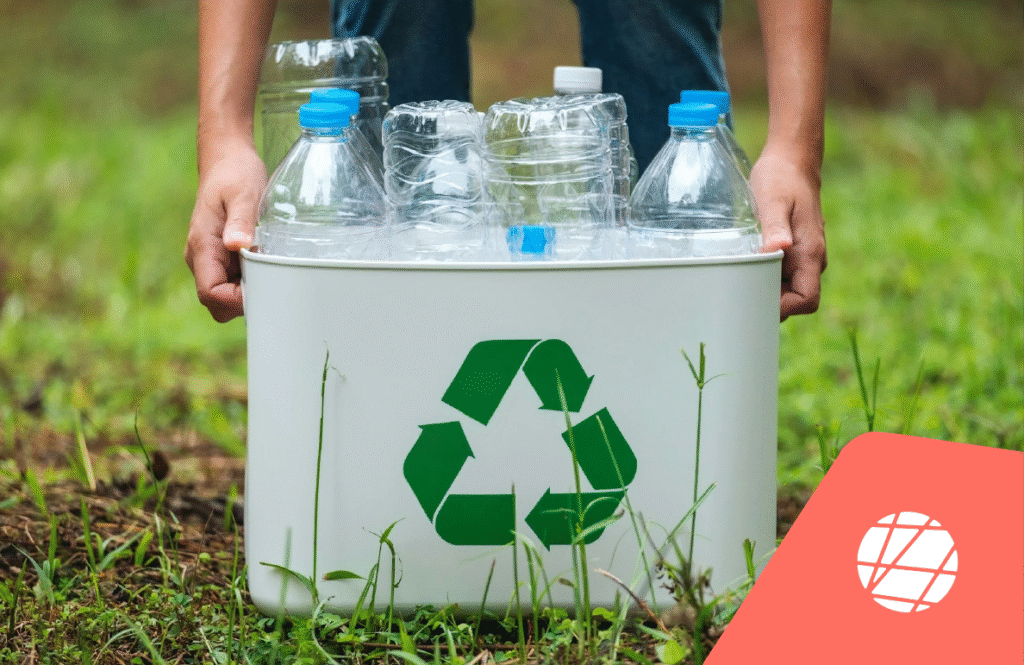
Recycled content is becoming a regulatory requirement worldwide, but sourcing consistent, food-grade, and affordable PCR remains a major challenge. Demand is expected to triple by 2030 yet recycling infrastructure and feedstock quality are not scaling at the same pace.
The result? Volatile prices, inconsistent performance, and intense competition for the best material.
The core barriers:
Quality varies widely due to contamination and mixed waste streams
Supply is uneven across regions, complicating traceability and certification
Costs often exceed virgin resin, putting pressure on margins
Because of these constraints, many companies are shifting from a “PCR-first” strategy to a resin-reduction strategy, replacing a portion of virgin plastic with mineral-based solutions to reduce total polymer demand and ease dependency on limited PCR supply.
Circularity isn’t only about using more recycled plastic. It’s about needing less plastic in the first place.
Long seen as a laggard in EU recycling performance, Romania is now moving quickly to reduce plastic waste. Driven by upcoming EU Packaging and Packaging Waste Regulation (PPWR) deadlines, the country has introduced bans on lightweight plastic bags, tightened producer responsibilities, and begun penalizing companies that miss recycling targets. The message is clear: plastic that can’t be collected and recycled now carries real financial and operational consequences.
The biggest shift came with the launch of Romania’s nationwide deposit return system, one of the largest and fastest-scaling in Europe. With roughly 80,000 return points and a unified €0.10-equivalent deposit, the system is rapidly capturing billions of bottles and cans, delivering higher-quality PET back into local recycling streams. For brands, this means packaging must now be designed for compatibility with a system that prioritizes clean, sortable material—and penalizes formats that fall outside it.
Beyond bottles, Romania is under growing EU pressure to fully implement the Single-Use Plastics Directive, signaling further restrictions on high-leakage items like cutlery, EPS foodservice ware, and certain flexibles. As EPR costs rise, companies are being pushed to rethink resin-heavy formats, shift toward lighter or hybrid materials, and invest in solutions that align with real-world collection systems instead of theoretical recyclability.
Romania still faces gaps in infrastructure and enforcement, but the direction is unmistakable: less plastic, more circularity, and stricter accountability. For producers operating in Central and Eastern Europe, Romania has become a live test market for accelerated plastic reduction, where designing for deposit systems, reducing virgin resin, and supporting local recycling capacity aren’t future requirements but immediate competitive advantages.
The Food Waste Dilema
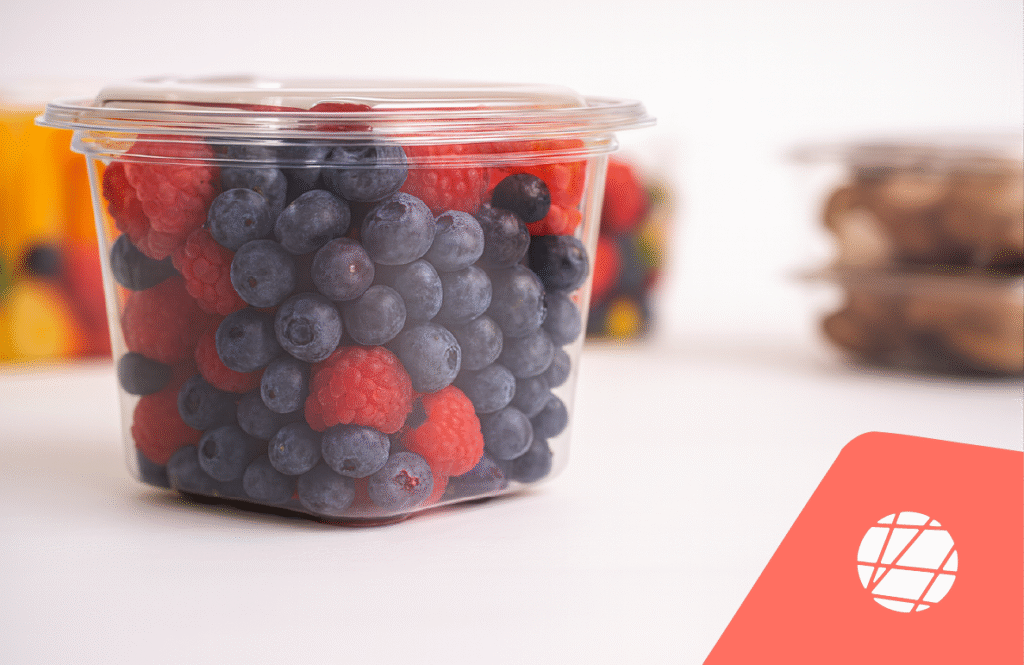
Recycled content is becoming a regulatory requirement worldwide, but sourcing consistent, food-grade, and Food waste generates 8–10% of global emissions, and in most categories the food inside a package produces 7–10x more CO₂ than the packaging itself. As retailers expand refill and “naked produce” pilots, many are seeing spoilage rise. WRAP and USDA studies show increases of 20–30% when protective packaging is removed.
That wasted product carries a far higher climate cost than the material that protects it. The solution isn’t no packaging; it’s smarter, lighter, better-performing packaging that reduces both plastic and loss.
New innovations gaining traction include mineral-enhanced breathable films that extend shelf life, moisture-adaptive produce trays that cut shrink, and hybrid dairy packaging with lower CO₂ and improved barriers.
Circularity isn’t just about reducing packaging; it’s about reducing waste overall.
Aylen is the reason our materials meet, and often exceed, expectations across every market. She’s deeply involved in our recertification journey, guiding our corporate team and all 15 plants through continuous improvement while working hand-in-hand with customers and suppliers. Her dedication keeps Okeanos strong where it matters most: ISO9001 certified quality you can trust.
I work in the QA Department, and my job is to keep our quality processes on track and ensure we’re always improving!
Before landing at Okeanos, I built my experience by implementing ISO 14001, 45001, and 9001 standards across different industries, and I studied Environmental Engineering at the University of San Martín.
The Made From Stone application I’m currently most excited about is compostable compounds, because I studied these types of products at university, and I’m very interested to see how they can be applied in real-world scenarios.