
This month’s Set in Stone® looks at why cheap plastic isn’t coming back. The case for replacing plastic used to be moral. Now it’s financial too.
Okeanos® Business Newsletter – April 2026
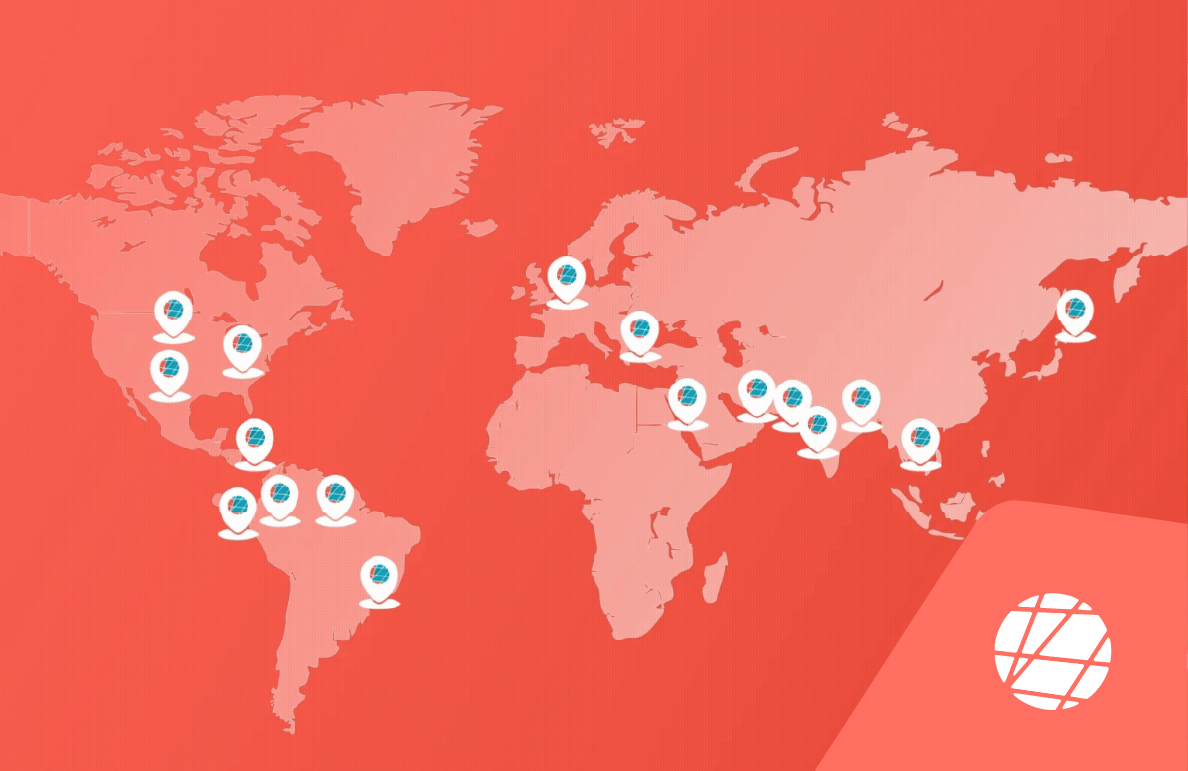
The War Ran on Oil. So Does Your Packaging
When the conflict began on February 28, most read it as an oil story. In packaging, it never stayed there.
Oil prices rose more than 15%. Supply tightened. Freight repriced. Asia, where most of the world’s packaging lines run, and most of the region’s oil is imported, felt it first.
That’s the thing about a commodity shock: it doesn’t stop at the commodity. Airlines cut routes. Farmers in parts of the Philippines left crops unharvested because the fuel math stopped working. And somewhere deep in a procurement spreadsheet, plastic, the quietest input on the line, stopped being quiet.
That’s the real story. When your packaging is built on oil-linked resin, there’s no such thing as a local shock. Crude moves, naphtha moves, polyethylene moves, your invoice moves. Every link in the chain votes, and none of them work for you.
The brands and converters moving first aren’t betting on stability. They’re removing the link.
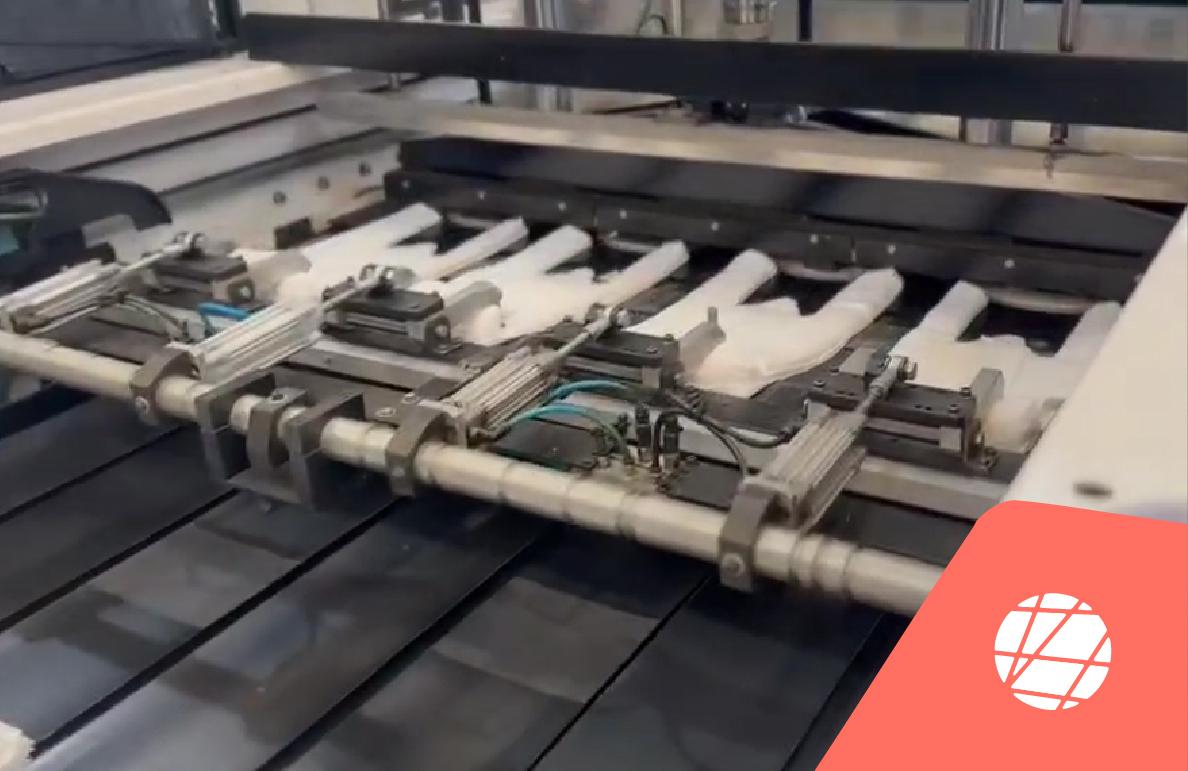
Blown Film Works Exactly as It Should. That’s the Problem
Blown film has run the industry for 60 years: t-shirt bags, food film, stretch wrap, courier mailers, pallet protection. It works. That isn’t the question.
The problem was never the process. It’s what would have to happen if you touched it.
Converters have spent decades building around these lines. Operator knowledge. Customer specs. Tolerances that took a year to dial in and survive every audit. None of that lives in the extruder. It lives in the people and the playbook.
Every alternative material has asked converters to throw that out. Requalify the line. Retrain the team. Re-prove the spec. Most plants can’t afford to. Most customers won’t wait.
Made from StoneTM doesn’t ask for any of it. The calcium carbonate compound drops into your existing blown-film line. Same extruder. Same die. Same operator. Same spec sheet. What changes is how much plastic is in the bag, up to 70% less.
Change the material. Not the machine.
See Made from Stone™ running on a live line. Reach out to trade@madefromstone.com
The Planet Doesn’t Get a Ceasefire
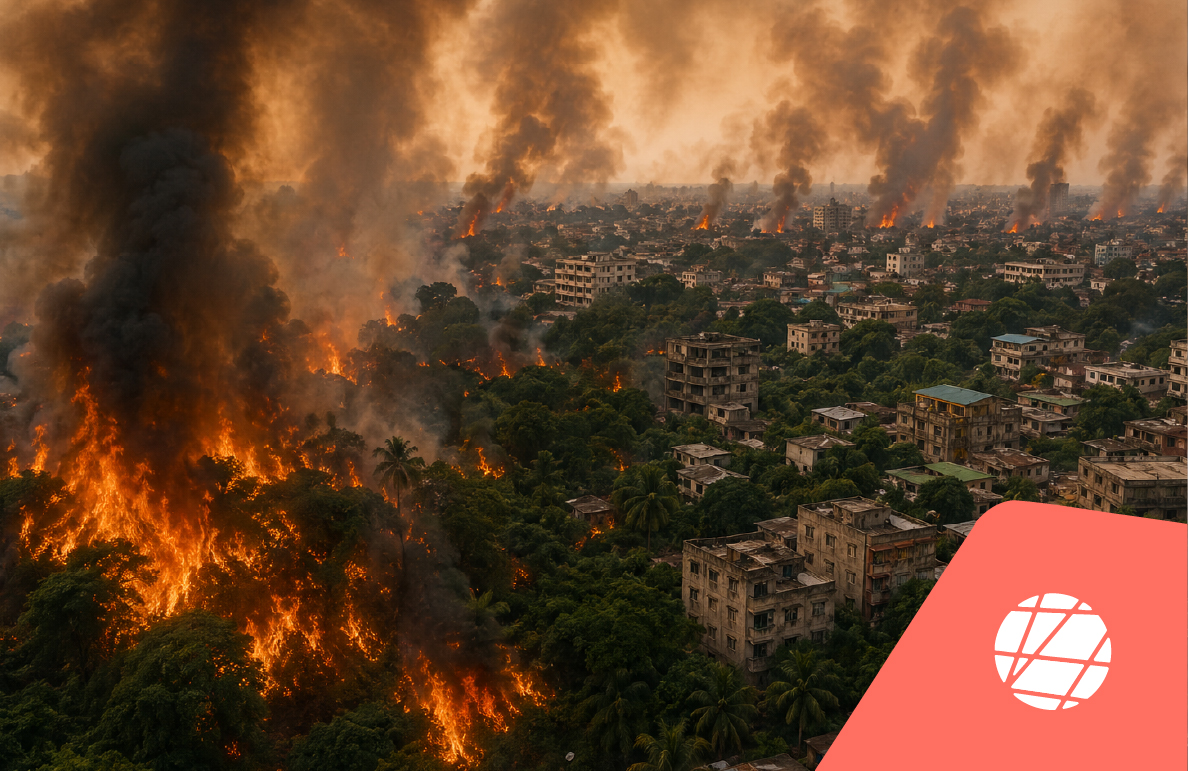
When oil tightens, most companies focus on margins. But in the places where shortages are already hitting, the impact goes further. In parts of Africa, where fuel depends heavily on imports and recent disruption at the Strait of Hormuz has pushed diesel into shortage, systems are being pushed to their limits. Generators run longer, power gets rationed, and households fall back on charcoal and wood.
We’ve seen this pattern before. During recent fuel crises in Pakistan and Sri Lanka, forests absorbed the shock that supply chains couldn’t. And during the energy crisis in Europe, coal plants were temporarily brought back online to stabilize supply, reversing years of emissions progress in a matter of months.
Markets recover. Forests don’t.
This isn’t a regional issue. It’s a structural one. Any economy exposed to oil carries the same risk. The difference is timing.
That’s what makes this a sustainability problem.
For years, sustainability has been built as a layer, targets and commitments designed for stable conditions. But when oil moves, that layer breaks. Procurement shifts to cost, and priorities change.
And most “sustainable” materials are still tied to oil. Recycled plastic is recycled oil, and many bio-based resins still follow the same pricing logic. When the barrel moves, everything moves with it.
The gap is clear: sustainability has been built on top of the same system that keeps destabilizing it.
The companies moving forward aren’t adjusting messaging. They’re changing the input.
Made from Stone™ replaces a significant share of oil-linked resin in flexible film with calcium carbonate, a more stable and locally sourced material. It reduces plastic use and emissions, and runs on existing blown-film lines without operational changes.
The planet doesn’t get a ceasefire while the rest of the world catches up. Sustainability that depends on stable oil markets isn’t sustainability. It’s exposure.
Reduce your exposure to oil-linked resin. Start with one line.
How Long Will Plastics Resin Prices Remain High?
By Larry Jay Wyman, Chief Strategy Officer, Okeanos
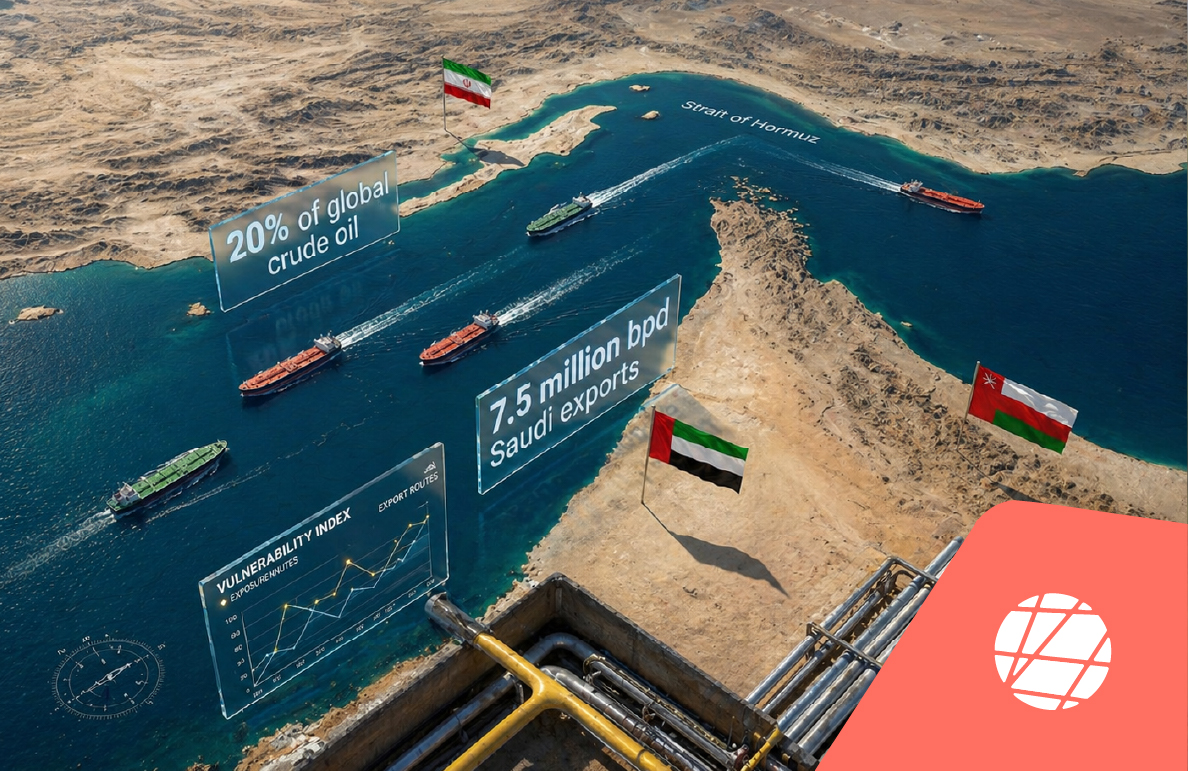
The war in Iran has upended global oil, and therefore resin, markets, with prices more than doubling since the conflict began. This shock is likely to persist and potentially worsen the longer it takes to reach a political resolution and reopen key supply routes.
Even in a best-case scenario where tensions between Iran and the U.S. ease quickly, most observers estimate it could take up to a year for production to normalize. A more probable outcome is prolonged conflict followed by extended negotiations, keeping pricing elevated through 2026 and leading to a gradual recovery over several years.
The scale of disruption is significant. More than 80 production facilities in the Gulf have been damaged, about one-third severely, and approximately 40% of regional output has been shut down. Even if the war ended immediately, restarting operations would take an estimated 3 to 6 months to clear shipping lanes, restore tanker logistics, and bring production back to roughly 70% of pre-war capacity. During this period, limited supply would likely be prioritized for critical sectors such as fertilizer, jet fuel, pharmaceuticals, and semiconductors.
Longer-term risks are substantial: many facilities could take 1 to 5 years to fully repair, creating sustained supply constraints. Under this scenario, further price increases are possible, with no return to pre-war pricing for several years.
How do Made from Stone™ products provide a hedge?
Made from Stone™ compounds replace 30 to 60% of plastic resin with calcium carbonate, a stable, abundant, and significantly lower-cost material that does not fluctuate with oil prices. This enables manufacturers to reduce both cost and exposure to resin price volatility.
Made from Stone™ delivers measurable reductions in both plastic use and CO₂ emissions, at a cost below that of 100% plastic resins. The materials run on existing packaging equipment and can be produced using locally sourced inputs, helping minimize supply chain risk.
As resin prices rise, the cost advantage of Made from Stone™ increases, providing a built-in hedge against continued market disruption.
Contact us to learn how Made from Stone™ can help safeguard your business and reduce your environmental impact: trade@madefromstone.com

Rockstar of the Month
The people who power Okeanos.
Camila Zacco | Global Office Assistant | Buenos Aires
Camila Zacco connects the dots so strategic priorities don’t stall. From the CEO Office, she keeps leadership aligned and turns decisions into action, making sure nothing falls through the cracks.
Her Impact: She keeps strategic priorities moving by connecting the right people and information at the right time, so decisions turn into action.
What her role makes possible at Okeanos
Execution is a team sport, and it needs someone connecting the dots. From the CEO Office, Camila supports our executive leadership by coordinating agendas, managing strategic priorities, and making sure nothing falls through the cracks, turning alignment into real progress.
What her role touches
- Coordinate agendas and strategic priorities across teams
- Enable decisions by keeping the right people and information connected
- Drive follow-through so plans become action
In Camila’s words
What does your role enable at Okeanos?
My role is all about connecting the dots. From the CEO Office, I support our CEO by coordinating agendas, managing strategic priorities, and making sure nothing falls through the cracks. Day to day, that means getting the right people the right information at the right time and making things actually happen.
What’s something people don’t usually see?
That behind every well-run meeting, every smooth process, and every timely decision, there’s a lot of invisible work. It’s not always glamorous, but it’s what keeps everything else moving. I’m constantly juggling multiple fronts. I learn something new almost every day.
What motivates you?
Seeing the impact. It doesn’t have to be loud or visible, most of the time is not, but for me is enough to know that something worked better because I was there. That feeling that my work actually matters is what keeps me going.
Outside work:I’m a lover of good stories, whether that’s through a great book, a binge-worthy series, or a museum. I also have a soft spot for vintage and outlet shopping and take my closet organization very seriously. But above everything, what fills my heart the most is being present with my family. My biggest dream right now would be taking my parents on a trip around the world, one city at a time.
Learn more about career opportunities at Okeanos.