
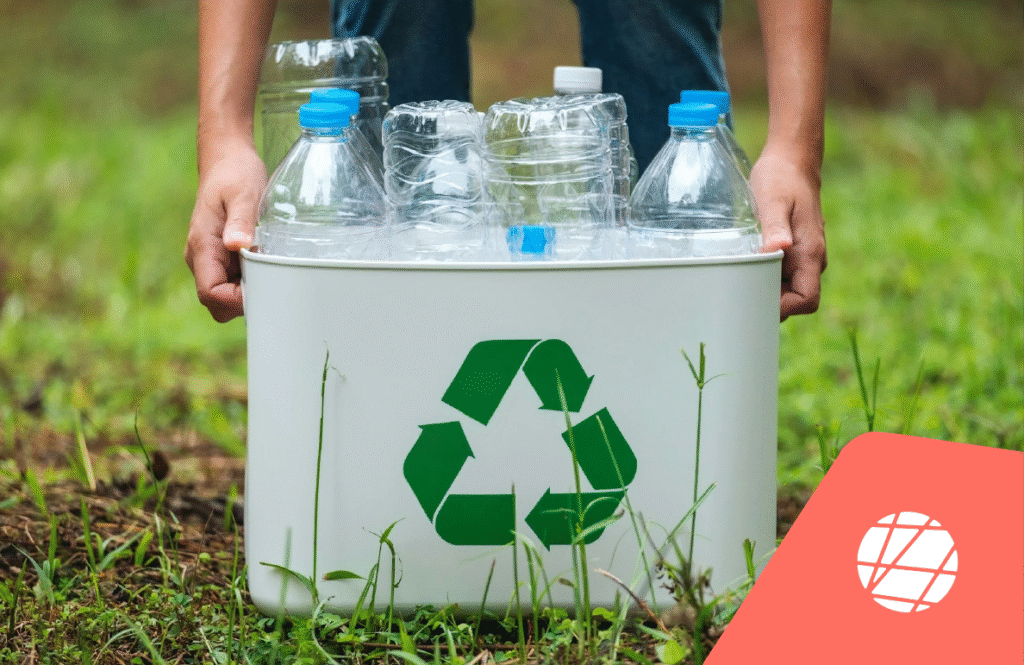
Recycled content is becoming a regulatory requirement worldwide, but sourcing consistent, food-grade, and affordable PCR remains a major challenge. Demand is expected to triple by 2030 yet recycling infrastructure and feedstock quality are not scaling at the same pace.
The result? Volatile prices, inconsistent performance, and intense competition for the best material.
The core barriers:
- Quality varies widely due to contamination and mixed waste streams
- Supply is uneven across regions, complicating traceability and certification
- Costs often exceed virgin resin, putting pressure on margins
Because of these constraints, many companies are shifting from a “PCR-first” strategy to a resin-reduction strategy, replacing a portion of virgin plastic with mineral-based solutions to reduce total polymer demand and ease dependency on limited PCR supply.
Circularity isn’t only about using more recycled plastic. It’s about needing less plastic in the first place.