
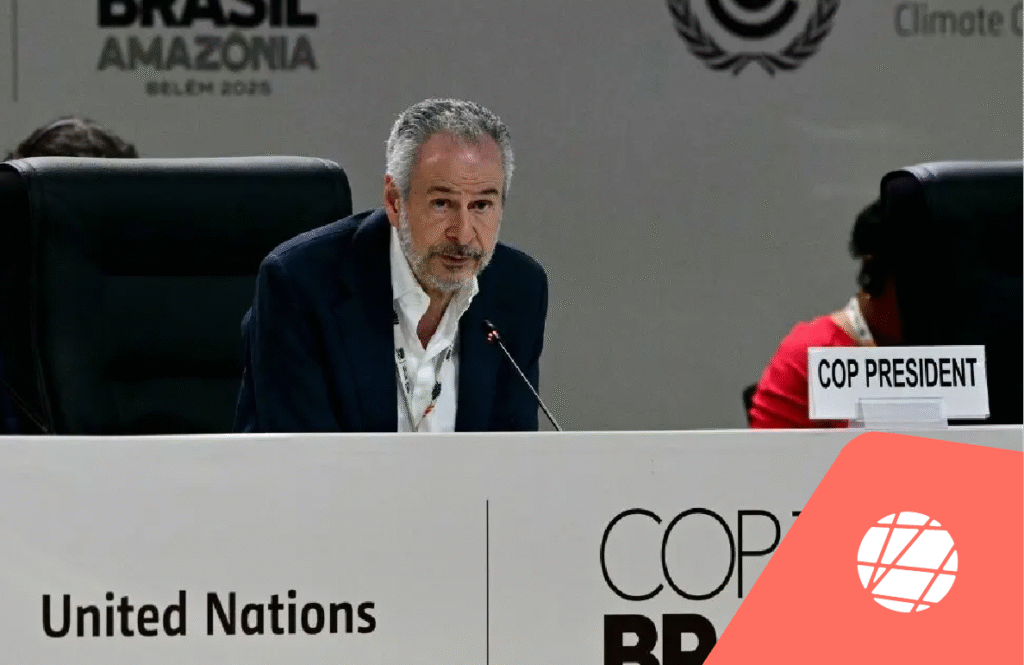
For all the anticipation, COP30 ended with little more than extensions and empty promises on plastics. Negotiators failed to agree on reduction targets, timelines, or enforceable rules, leaving the global plastics treaty stalled once again.
But while the international process slows, regional momentum is accelerating. The EU is finalizing PPWR, Latin America is rolling out EPR frameworks and virgin-resin taxes, and U.S. states continue to pass bans, PCR mandates, and design-for-reduction rules. Across APAC, policies aimed at limiting virgin plastic and incentivizing lower-carbon materials are gaining traction.
In short: global inaction is driving local action.
The next wave of plastics legislation will be more targeted and more practical. Expect three big trends to shape the decade ahead: upstream reduction requirements, carbon-based material decisions, and increasingly strict rules against formats that recycling systems simply cannot process.
For brands, that means pressure is shifting from ambition to execution, and materials that reduce plastic and CO₂ at the source will be essential for compliance. COP30 may have missed its moment, but the momentum isn’t gone.
For more from the floor of COP30, tune into our conversation with UN Photographer Kiara Worth on Mastering Sustainability